Emerging Trends in Multi-Protocol Module Technology for Smarter IoT
The multiprotocol module market will grow a lot in 2025. This growth comes from new technology partnerships and new products. Some important changes are better multi-protocol module SoCs, small modules with Zigbee and BLE, and partnerships using post-quantum cryptography. Multiprotocol integration helps devices work together, saves energy, and keeps data safe. This supports the growing market and brings new ideas to IoT.
KORE Wireless made connectivity management better by buying Ericsson’s IoT Accelerator.
SEALSQ and Wecan Group made security stronger with post-quantum cryptography.
InnoPhase IoT and Quectel showed off new multi-protocol modules.
The multiprotocol module market is getting bigger quickly. New technology and teamwork help IoT devices work well together. These changes also help save energy and protect data.
Advanced multi-protocol modules use many wireless standards in small chips. These chips use less power. Devices can talk to each other on different networks. This helps smart applications work better.
Good interoperability, low power use, and better security help multiprotocol modules. They make smart homes, industries, healthcare, and transportation work smarter. These places also become more reliable.
The multiprotocol module market is growing very fast. In 2023, it was worth about $7 billion. Experts think it will be over $15 billion by 2033. The market is expected to grow 15% each year from 2025 to 2033. This is because more people use IoT devices, smart homes, and factories use more automation. Big companies like NXP, Texas Instruments, and STMicroelectronics spend a lot on research. They want to make new and better multiprotocol modules. Asia-Pacific is the top region for this market. China has more than half of the market there. North America and Europe are also growing fast. Smart city projects and rules for safe, energy-saving modules help these regions.
|
Year |
Estimated Market Size (USD Billion) |
CAGR (%) |
Projected Market Size (USD Billion) |
|---|---|---|---|
|
2023 |
7 |
10 |
>11 (by 2028) |
|
2025 |
5 |
15 |
>15 (by 2033) |

Many things help the multiprotocol module market grow. Devices need to talk to each other easily, even if they use different protocols. Multiprotocol modules work with Bluetooth, Wi-Fi, Zigbee, and Thread. This helps devices work together. New chipsets and modules make it cheaper to use these devices. They also use less power. Some networks use both wires and wireless, which gives more choices for businesses. Industry 4.0, cloud use, and real-time updates also help the market. Multiprotocol gateways make it easier for factories, hospitals, and smart homes to connect. The market also grows because modules are smaller, can use more radios, and work with many platforms.
Multiprotocol integration has changed how IoT networks work. Engineers make modules that use many wireless standards in one chip. Murata’s Type 2FR/2FP modules are good examples. These modules connect with Wi-Fi 6, Bluetooth 5.4, and OpenThread. Their small size fits into lots of devices. They work with the Matter ecosystem for easy communication. The modules use a 260-MHz Arm Cortex-M33 MCU. This helps them use less power and have strong security.
STMicroelectronics also makes better multi-protocol modules. The ST67W611M1 module uses Qualcomm QCC743 SoC. It works with Wi-Fi 6, Bluetooth 5.3, Thread, and Matter over Wi-Fi. This makes designing modules easier and fits with the STM32 ecosystem. Modular hardware designs now put Wi-Fi, LoRa, and BLE into simple parts. These designs let engineers switch protocols easily. They also make building devices 70% simpler with unified SDKs.
Modular upgrades help engineers add or change functions fast. This makes devices easier to grow and update. Chiplet-based integration lets designs be flexible and save power. Chiplets help make more chips and give more design choices. This supports better multiprotocol module designs.
Multi-die architectures are important for these new modules. Heterogeneous computing, like CrowPanel with ESP32-S3 dual-core, splits graphics and protocol jobs. This keeps devices stable and quick when using many protocols. AI on the device helps with real-time tasks, like finding pests, and uses little power. Expansion modules can be swapped without changing hardware. Hardware abstraction layers run many protocols at once, making devices more reliable.
Multi-protocol gateways use four layers. Hardware abstraction connects to many types of hardware. Protocol parsing engines handle lots of protocol stacks. Data standardization uses ISO/IEC 19464. Application adaptation layers give RESTful API and MQTT. Adaptive protocol learning uses deep packet inspection to find new protocols. Graphical tools help people add new protocols quickly. Edge computing helps process data fast and change protocols with low delay and high speed.
|
Feature |
Benefit |
|---|---|
|
Modular hardware design |
Flexible protocol switching |
|
Multi-die architecture |
Scalability and power efficiency |
|
Chiplet integration |
Design flexibility and improved yield |
|
AI on-device |
Real-time analytics with low power |
|
Edge computing synergy |
Low latency and high throughput |
Industrial IoT gets better with these new modules. Smart grid gateways bring data from many devices into one format. This makes data sharing faster. Multi-protocol edge gateways lower cloud work and help devices use different protocols.
Wireless connections keep getting better and help multiprotocol innovation. Silicon Labs made software that lets Zigbee and Bluetooth LE work on one chip. This makes hardware simpler and costs up to 40% less. Multi-protocol SoCs like Wireless Gecko support Bluetooth, Zigbee, Z-Wave, and LoRa. These chips help devices talk across different RF bands.
Multiradio solutions use two radios for different protocols. This stops problems with performance, which is important for smart metering. Single radio solutions use time-slicing, which can slow things down. Multiradio solutions work better but cost more and are bigger.
New partnerships put multi-protocol SoCs into gateways for Bluetooth, Zigbee, Z-Wave, and LoRa. These chips save space and lower costs. Multi-protocol SoCs help devices talk across many RF bands, making big IoT networks easier to build. Wi-Fi is not used much in edge devices because it uses more power. So, multi-protocol SoCs focus on low-power protocols.
No chip can run all IoT wireless protocols yet, but multi-protocol SoCs cover the most important ones.
Better wireless protocols help devices work together and send data faster. AI in IoT gateways changes data between Zigbee, LoRaWAN, and Bluetooth in real time. 5g modems in gateways give very fast and low-delay connections. Edge computing with AI in 5g gateways helps devices make decisions and send data quickly.
Embedded processors and AI help manage resources and protocols in real time. This saves energy and keeps devices quick across many wireless standards.
Smart scheduling in wireless SoCs lowers interference and delay. It does this by choosing which traffic goes first and managing radio signals.
Using standards like Matter helps devices talk together by joining Wi-Fi, Thread, and Bluetooth. This makes it easier to connect devices.
Multi-protocol support lets devices talk across different protocols. This helps send data faster and lowers waiting time.
Scalable designs help update firmware and keep devices working well as more are added.
Coexistence features in hardware and software stop interference in busy frequency bands. This keeps connections strong.
Cross-platform connections let devices, gateways, and cloud services share data easily. This makes systems work better and helps users.
Multi-die chip design helps improve wireless connections. Modular upgrades let engineers add or change functions easily. This helps devices grow. Power efficiency gets better by lowering chiplet power use and heat. Mixing different chiplets in one package lets engineers make custom, high-performance designs. New packaging and connection standards fix problems like slow chiplet links and extra power use. This helps devices work better.
5g technology is very important for wireless connections in multiprotocol networks. 5g modems give fast speeds and low delay, which is needed for important jobs and lots of devices. Edge computing and AI in 5g gateways help devices make choices and work better. These new ideas help devices talk easily and grow in big IoT networks.
Multiprotocol connectivity is very important for IoT networks today. Engineers have many problems when they build systems with many wireless standards. Some problems are hard hardware designs, tricky software, and not enough resources. Teams must make SoCs that work with many frequency bands and protocols. They need to do this without making things cost more or harder to use. Software must run well and switch between protocols fast. It should not waste CPU or memory.
Hardware needs to work with many radios and bands.
Software must fit together well so it does not clash.
There is not much CPU, memory, or power, so teams must use them wisely.
Teams use protocol stacks from many places, which makes things harder.
Some frequency bands overlap, so RF interference can happen and needs special filters.
Switching protocols can slow things down and drop packets.
Multiprotocol coexistence makes things even more complicated. Devices have to handle many protocols at once. This needs smart teamwork between hardware and software. Qorvo's ConcurrentConnect technology helps with these problems. It lets devices talk on different protocols at the same time. This means less waiting and fewer lost packets. Special BAW filters help stop RF interference. This makes networks bigger and more reliable.
Multiprotocol connectivity lets IoT devices talk across different networks. This makes systems easier to grow and change.
Good device communication needs more than just hardware. Multiprotocol modules work like helpers. They support many application layer protocols like MQTT, CoAP, REST/HTTP, AMQP, and Websockets. These modules change messages between protocols. This lets devices and services work together, even if they use different rules. Open-source message brokers like RabbitMQ and Ponte help connect these protocols. Frameworks like OM2M give a common service layer. Using Docker lets people set up these parts in many ways.
To fix interoperability problems, the industry uses some solutions:
Protocol-agnostic IoT frameworks help devices talk using many protocols.
Custom APIs let data move and connect across different platforms.
Secure designs use encryption and authentication to keep things safe.
Edge computing cuts down waiting, saves bandwidth, and helps with real-time data.
IoT gateways connect different protocols so data moves smoothly.
Manufacturers also use standard protocols and frameworks like MQTT and CoAP. Groups like IETF and IEEE made these. Working together with other companies and groups helps make open standards. Testing and certification from groups like UL and NIST check that devices work together and are safe. Interoperability platforms and gateways, like AWS IoT Greengrass and Azure IoT Hub, help devices talk by changing protocols. Edge computing handles data close to where it is made. This lowers waiting and makes things easier.
Performance metrics help check if devices talk well in multiprotocol IoT systems. Engineers watch CPU and memory to find problems with gateways. They check network throughput to see how much data moves. Traffic control keeps things stable and fast. Load balancing spreads out work so nothing gets too busy. Data compression saves bandwidth but keeps data safe. Fault recovery, like restarting and sending data again, helps after failures. Protocol adaptation layers keep data safe when changing protocols.
|
Performance Metric |
Purpose |
|---|---|
|
CPU/Memory Usage |
Find and fix gateway problems |
|
Network Throughput |
Check how much data can move |
|
Traffic Control |
Keep things stable and fast |
|
Load Balancing |
Stop overload when sending data |
|
Data Compression |
Use less bandwidth |
|
Fault Recovery |
Fix data sending after problems |
|
Protocol Adaptation |
Keep data safe when changing protocols |
Multiprotocol connectivity and good device communication help devices work together in IoT. These new ideas let devices from many companies and platforms work as one. The multi-protocol module is very important for making this happen.
Low power multiprotocol modules are very important in IoT. Makers use ultra-low power processors like the 64MHz Arm Cortex M33F. These chips help save energy. Many modules work with Bluetooth LE, Thread, and Matter. This lets devices talk to each other easily. Some modules use energy harvesting. This means they can run without batteries or last a long time. This helps people avoid changing batteries often, even in faraway places or big projects.
Advanced power management systems change energy use as needed.
Deep sleep modes use as little as 1µA, making batteries last longer.
Scalable memory fits what each protocol and app needs.
Pin-to-pin compatibility helps upgrade old SoCs easily.
|
Feature |
Description |
|---|---|
|
MCU Architecture |
32-bit RISC-V, up to 240 MHz |
|
Multiprotocol Support |
Bluetooth LE, Zigbee, Thread |
|
Power Management |
Dynamic adjustment, deep sleep |
|
Energy Harvesting |
Enables battery-free operation |
Multi-die architectures make things even more efficient. They use different chiplets for special jobs. This cuts down on wasted power and heat. These new ideas help save money and support green IoT growth.
Security is very important as more devices connect. New ideas like Secure Vault technology keep data and keys safe. Modules now use hardware security like Arm TrustZone. This keeps secure and normal jobs apart. Hardware accelerators do encryption and hashing. This protects data from hackers.
Hardware Root of Trust checks if devices are real.
Secure boot modes stop people from breaking in.
Devices fight side-channel attacks and keep data safe with encryption.
Multi-die designs let makers add special security chiplets. This gives more protection and keeps things fast. These features help follow rules like the EU Cyber Resilience Act. As IoT grows, these new ideas keep devices safe and working well.

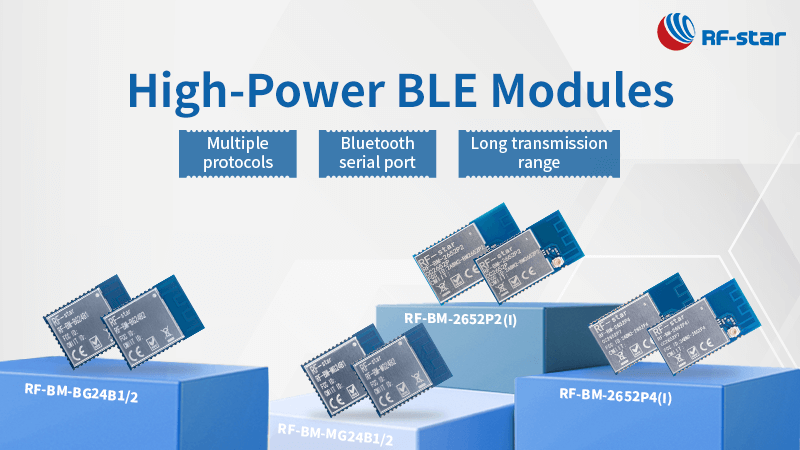
I moduli multiprotocollo contribuiscono a migliorare le case e gli edifici intelligenti. Il modulo RF-BM-2651B1 è compatibile con Thread, Zigbee 3.0, Bluetooth 5.2 Low Energy e altri protocolli. Questi moduli vengono utilizzati in serrature intelligenti, elettrodomestici, allarmi e sensori. La tabella seguente mostra come questi moduli contribuiscono ai diversi ambiti di applicazione:
|
Nome del modulo |
Protocolli supportati |
Applicazioni per la casa intelligente |
Applicazioni per l'automazione degli edifici |
|---|---|---|---|
|
RF-BM-2651B1 |
Thread, Zigbee 3.0, BLE 5.2, IEEE 802.15.4g, TI 15.4-Stack |
Controllo accessi, elettrodomestici, sicurezza, irrigazione, sensori |
Sicurezza, climatizzazione, sicurezza antincendio, videosorveglianza, ascensori |
Il modulo Open M.2 Smart IoT utilizza un SoC Nordic nRF52840 e un acceleratore AI Edge TPU. Questo modulo raccoglie dati dai sensori, esegue l'intelligenza artificiale e comunica tramite numerosi protocolli. Trova impiego in campanelli intelligenti, robot aspirapolvere e sistemi di monitoraggio per uffici. I moduli multiprotocollo aiutano a gestire l'energia e consentono ai dispositivi di interagire tra loro. I controller LOYTEC e il sistema EMS di Delta contribuiscono a un risparmio energetico fino al 20%. La tecnologia Bluetooth mesh aiuta a controllare luci e sistemi di climatizzazione, consentendo di risparmiare denaro e prolungando la durata dei dispositivi.
I moduli multiprotocollo aiutano le fabbriche a lavorare meglio e in modo più sicuro. Vengono utilizzati per il controllo dei processi, il monitoraggio dello stato di salute delle macchine e il tracciamento degli articoli. Il Bluetooth Low Energy consente di tracciare oggetti a distanza e di inviare grandi quantità di dati. I SoC EFR32MG24 supportano le reti mesh per l'automazione industriale. L'intelligenza artificiale e l'apprendimento automatico in ambiente edge computing, implementati su ABB Genix, aiutano a individuare i problemi in fase iniziale. Questi strumenti rendono le fabbriche più sicure ed efficienti nel mondo dell'IoT.
I moduli multiprotocollo cambiano il modo in cui i dispositivi sanitari si connettono. Funzionano con BLE, Zigbee e Thread, consentendo ai dispositivi di comunicare tra loro. La tabella seguente illustra i principali vantaggi:
|
Categoria di benefici |
Descrizione |
Rilevanza per l'assistenza sanitaria |
|---|---|---|
|
Flessibilità del protocollo |
Supporta molteplici protocolli |
Integra diversi dispositivi |
|
Crittografia robusta |
Utilizza chiavi per crittografare i messaggi |
Protegge i dati sensibili |
|
Segmentazione della rete |
Segmenta le reti con chiavi separate |
Aggiunge livelli di sicurezza |
|
Funzionamento a basso consumo energetico |
Supporta dispositivi alimentati a batteria |
Prolunga la durata della batteria del dispositivo |
Grazie a questi moduli, i medici possono monitorare i pazienti a distanza. I gateway domestici convertono i dati dei dispositivi in formati sanitari per la telemedicina. Sistemi sicuri inviano video e dati in diretta per visite mediche ed esami rapidi.
I moduli multiprotocollo contribuiscono a rendere i trasporti più intelligenti. Gli hub gateway di GAO Tek utilizzano Wi-Fi, BLE e Zigbee per il tracciamento, il controllo dei veicoli e il monitoraggio del carburante. I router di Digi collegano camion, autobus e treni per controlli e assistenza ai passeggeri. I gateway ibridi utilizzano CAN, LIN, FlexRay, Ethernet e altro ancora per gestire i dati. Questi gateway trasferiscono i dati tra i veicoli e le reti esterne. L'intelligenza artificiale e l'apprendimento automatico nei gateway aiutano a individuare i problemi e a garantire la sicurezza. Il supporto multiprotocollo consente ai veicoli di condividere facilmente i dati, favorendo la mobilità intelligente e le auto connesse.
Le architetture multi-die stanno rivoluzionando il funzionamento dei moduli multiprotocollo. Gli ingegneri utilizzano architetture multi-die 2.5D e 3D per migliorare le prestazioni dei chip. Queste architetture consentono ai chip di lavorare in sinergia per le attività di calcolo ad alte prestazioni (HPC). Sono in grado di gestire grandi quantità di dati per il calcolo ad alte prestazioni. I nuovi standard di interconnessione come PCIe 7.0, Ethernet 224G, Ultra Ethernet e IP UCIe permettono ai chip di comunicare rapidamente. Le architetture multi-die sono ora presenti nei chip per l'addestramento di grandi reti di intelligenza artificiale. Questi chip utilizzano UCIe 40G ed Ethernet 224G per trasferire dati velocemente. I SoC switch a 100T utilizzano componenti sia elettrici che ottici per le grandi reti HPC. I retimer e strumenti speciali mantengono i segnali stabili e supportano PCIe e CXL. PCIe consente ai server di comunicare internamente con bassa latenza. Ethernet e IP UCIe consentono ai server di comunicare tra loro rapidamente. I PHY e gli IP multiprotocollo sono necessari per i nuovi data center HPC e di intelligenza artificiale.
Secondo gli esperti, entro il 2025 metà dei nuovi chip HPC utilizzerà design multi-die 2.5D e 3D. Le fonderie si stanno preparando con metodi migliori per la produzione dei chip.
La standardizzazione è importante per gli ecosistemi di moduli multiprotocollo. Lo standard UCIe semplifica la connessione dei componenti del chip, aiutando gli ingegneri a progettare e gestire sistemi multi-die. La tabella seguente mostra l'evoluzione delle diverse versioni di UCIe:
|
Versione UCIe |
Caratteristiche principali |
Impatto sugli ecosistemi |
|---|---|---|
|
1.0 |
Interconnessione completa, stack di protocolli, conformità |
Interoperabilità multi-vendor |
|
1.1 |
Affidabilità, caratteristiche dell'auto, imballaggio più economico |
Maggiore utilizzo, minori costi |
|
2.0 |
Progettazione di sistemi, DFx, packaging 3D, velocità superiori |
Imballaggio migliore, più facile da gestire |
|
3.0 (futuro) |
Dati più veloci, risparmio energetico, attenzione all'IA/HPC |
Ecosistemi scalabili di nuova generazione |
Matter è un protocollo per la casa intelligente che favorisce la standardizzazione. Permette a dispositivi di marche diverse di funzionare insieme, semplificando e riducendo i costi per i produttori. I dispositivi certificati Matter contribuiscono a infondere maggiore fiducia e a incoraggiare un maggiore utilizzo da parte degli utenti.
IL modulo multiprotocollo Il settore è in rapida crescita. Il mercato statunitense dei gateway multiprotocollo potrebbe raddoppiare entro il 2033. Ciò è dovuto all'Industria 4.0 e alle fabbriche intelligenti. Le aziende investono in soluzioni multi-die sicure e scalabili per una maggiore sicurezza e integrazione. Partnership, acquisizioni e nuove idee nel cloud computing e nell'edge computing contribuiscono alla crescita dell'ecosistema. Una forte concorrenza stimola il lavoro di squadra e migliora la tecnologia. Nuove applicazioni come i dati in tempo reale, la manutenzione predittiva e i controlli remoti sfruttano l'intelligenza artificiale e l'apprendimento automatico per ottimizzare le prestazioni. Texas, Ohio e nuove aree del Sud-Est e della Costa Ovest sono in forte espansione. La trasformazione digitale, il rispetto delle normative e le nuove idee continueranno a plasmare la tecnologia dei moduli multiprotocollo.
Il mercato dei moduli multiprotocollo sta rivoluzionando il funzionamento dell'IoT. Le aziende stanno crescendo rapidamente grazie ai nuovi protocolli wireless e a una maggiore sicurezza. La tabella seguente offre semplici consigli per aziende e sviluppatori:
|
Aspetto |
Raccomandazione pratica |
|---|---|
|
Protocolli wireless |
Scegli microcontrollori che supportino molti protocolli. Considera alimentazione, memoria e la quantità di dati di cui hai bisogno. |
|
Potenza di elaborazione |
Utilizza microcontrollori multi-core. Questo contribuisce a un funzionamento più fluido e a un risparmio energetico. |
|
Supporto periferico |
Scegliete microcontrollori con i componenti adatti al modo in cui le persone utilizzano i dispositivi. |
|
Caratteristiche di sicurezza |
Assicurati che la sicurezza hardware sia integrata. |
|
Consumo energetico |
Scegli microcontrollori che consumano meno energia e si riattivano rapidamente. |
Gli smartphone fungono da gateway e hub, consentendo ai dispositivi di interagire meglio tra loro.
L'utilizzo degli stessi protocolli e middleware semplifica la connessione di tutti i dispositivi.
Le applicazioni in tempo reale funzionano bene quando i dispositivi comunicano direttamente tra loro.
I team si mantengono all'avanguardia imparando costantemente cose nuove sul mercato.
Shenzhen HQ: Room 503, Podium Building No. A-12, Shenzhen Bay Science and Technology Ecological Park, Nanshan District, Shenzhen, Guangdong, China, 518063
Chengdu Branch: N2-1604, Global Center, North No. 1700, Tianfu Avenue, Hi-Tech District, Chengdu, Sichuan, China
telefono : +86 (0)28-86925399
E-mail : info@szrfstar.com
Teams : Sunny Li
Whatsapp : +8618190842785